

When and where to see the Milky Way in UAE this summer?
Discover the secret locations for a clearer, uninterrupted view of the stars
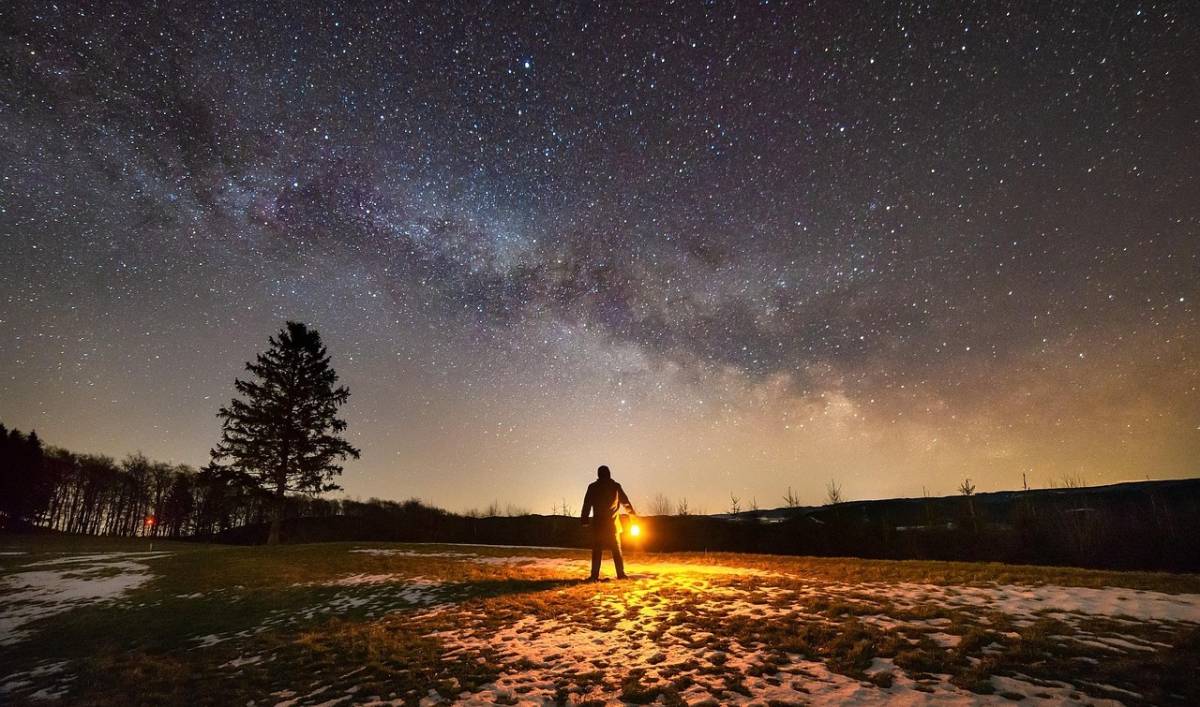
DUBAI: With the start of summer, UAE residents are in for a treat as the Milky Way becomes visible in the night sky for five months.
From May through October, those in search of the stars can witness the galaxy’s shimmering core, with the best views peaking in July and August.
But how can you ensure you get the clearest, most spectacular view of this celestial wonder?
Where to spot the Milky Way in UAE?
The key to a great viewing experience lies in finding the right location. According to Dubai Astronomy Group, the ideal spot is Al Qua’a in Abu Dhabi. This remote site is the closest dark-sky location to the city and offers an unobstructed view of the Milky Way’s dense, star-filled core. But how do you get there?
There is a parking at the base of a dirt path that leads into the desert. Avoiding car lights and dust is crucial for an uninterrupted view, so a short walk into the sand will ensure you’re in the perfect spot.
When is the best time to observe the Milky Way?
The Milky Way -- also known as the Galactic River -- is visible from May to October, but July and August are the peak months for stargazing. This is when the galaxy’s core passes directly overhead, providing the clearest view of the night sky.
Ibrahim Al-Jarwan, Chairman of the Emirates Astronomical Society, highlights that the period from May to August offers the best conditions. The stars are brightest, and the dark summer nights give you ample time to enjoy the cosmic display.
What to look for in ideal viewing conditions?
The Milky Way is best observed on nights with a clear sky, free from clouds or moonlight. Light pollution is a major obstacle, so it’s crucial to get at least 35 kilometres away from city lights. According to experts, after a light rain is the best time to go stargazing as the air clears and the atmosphere settles. You’ll want to arrive early to let your eyes adjust to the darkness.
Once you find a quiet, dark spot away from any light sources, you’re ready to behold the wonder of the Milky Way stretching across the sky.
How can you capture the perfect shot of the Milky Way?
While the Milky Way is visible to the naked eye after about 20 minutes of darkness, stargazers keen on capturing the details might want to take some extra steps. Using binoculars allows you to spot star clusters and nebulae, while a camera with a wide lens mounted on a tripod can capture stunning photographs.
If you don’t have a camera, don’t worry! A modern smartphone with a night mode setting will do the trick. Simply ensure it’s stable, and you’ll have a great shot of the Galactic River. To get the best photos, choosing a night with a new moon or a weak crescent is recommended.
How do you find the Milky Way in the sky?
Looking for the Milky Way doesn’t have to be difficult. The first step is identifying the Scorpius constellation, which lies next to the Milky Way. Using a sky map app will help you pinpoint this easily. Once you know where to look, the Milky Way will reveal its stunning stretch of stars from the northeast to the southwest. With a little patience and the right equipment, you'll be able to enjoy one of the most spectacular views nature has to offer.